Better Dungeon Design Part 2: Dense Interior
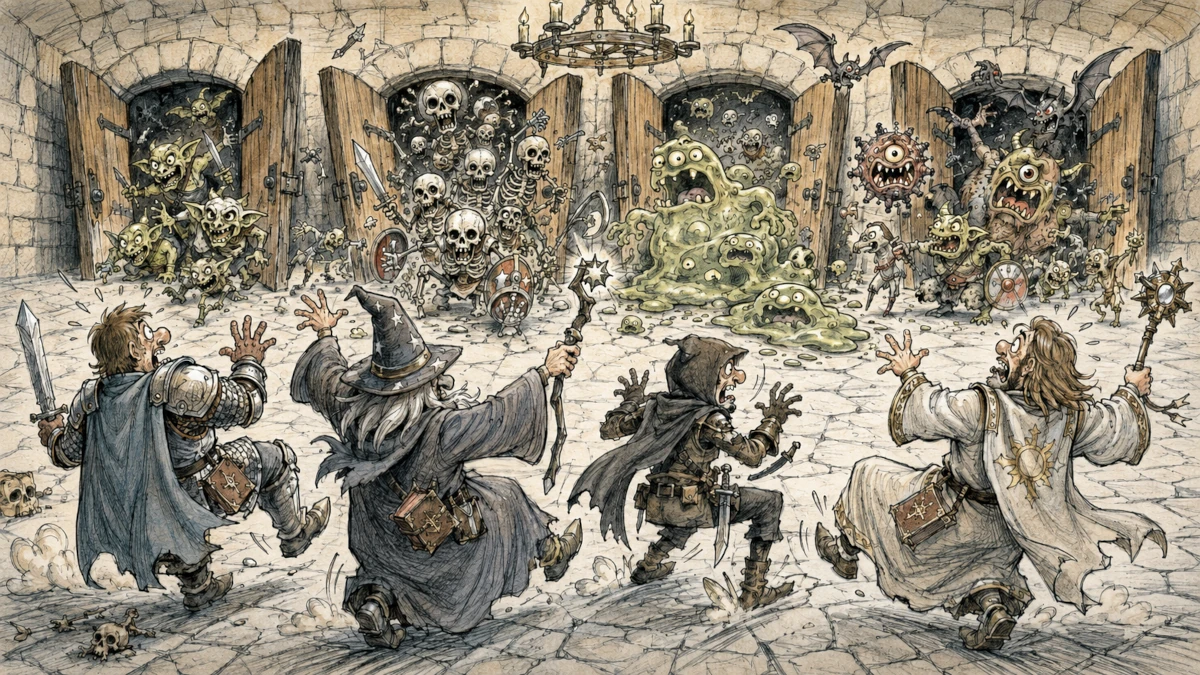
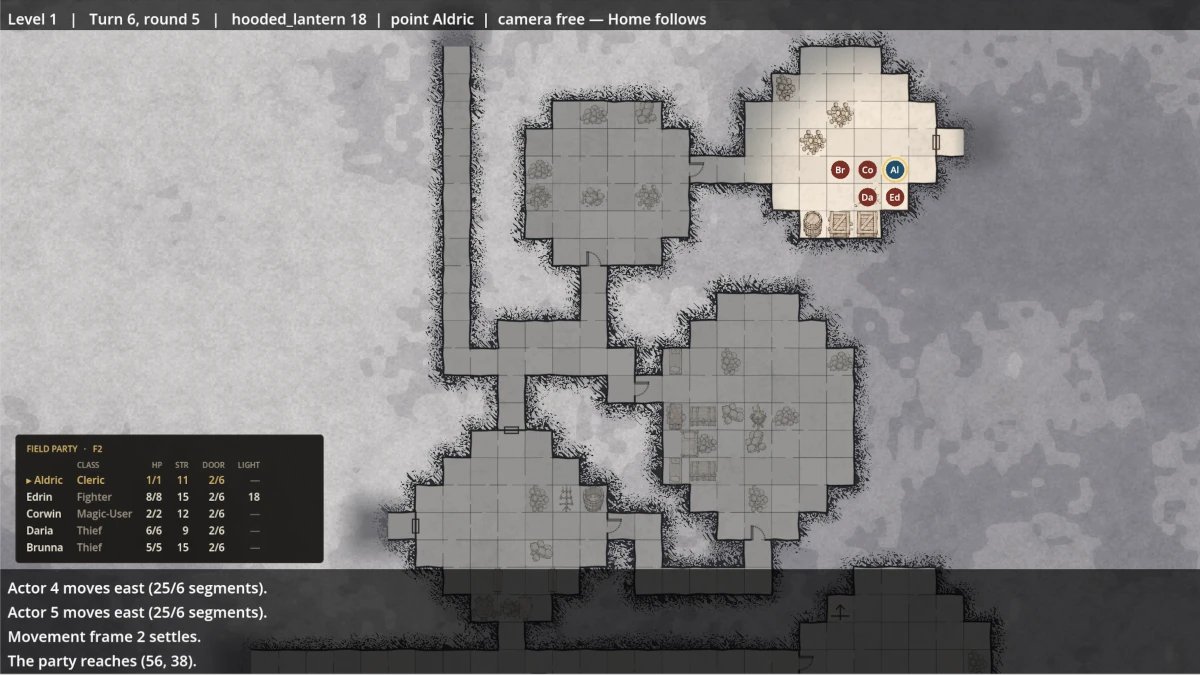
Corridors have been doing your party favors nobody asked for. Take them away and retreat becomes a gamble, noise carries three rooms over, and your torches last forever. Here's when that trade pays.
30 posts found

Corridors have been doing your party favors nobody asked for. Take them away and retreat becomes a gamble, noise carries three rooms over, and your torches last forever. Here's when that trade pays.


How room spacing shapes dungeon pacing, exploration, and player decisions—and why layout should be a deliberate part of adventure design.

Why AI handles the first 80 percent of game development and stalls on engines, concurrency, and the feel of a game that only a human can verify.

How the BECMI Thief turned shared player ingenuity into one class's dice roll, and quietly traded D&D's player agency for character permissions.

I built an interactive KCD2 alchemy tool to manage recipes and reflect on how modern TTRPG design has diminished meaningful crafting and earned progression.

I developed a browser version of Asteroids, sharing my high score hopes while exploring TTRPG tools post-site conversion.

Reject the win-lose mindset and celebrate diverse TTRPG playstyles; curiosity over gatekeeping turns debate into discovery and keeps the hobby welcoming.

Reflecting on Tim Cain and Gary Gygax, this calls for empathetic, nuanced remembrance of D&D's creators over meme-fueled narratives.

5e 2024’s exception-heavy design can fuel rules debates; here’s how DMs and players can balance rulings, fun, and table expectations.

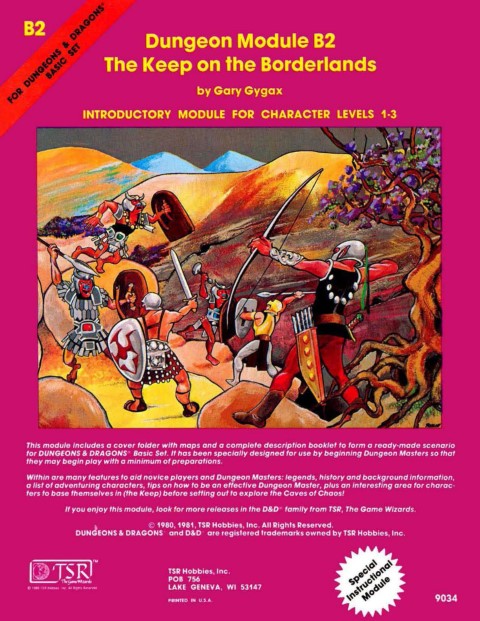
Classic modules show early editions centered on negotiation and player ingenuity, contrasting with later skill-driven, performative approaches.