
•5 min read
12 Rules for TTRPG Players to Live By
Practical, playful principles to be a better TTRPG player: show up, engage, share spotlight, pursue story beats, state intentions, respect others' fun.
Practical, playful principles to be a better TTRPG player: show up, engage, share spotlight, pursue story beats, state intentions, respect others' fun.

Argues for XP-based advancement in D&D, rewarding non-combat play, encouraging agency, easing pacing, and doubling as a memory log for your campaign.
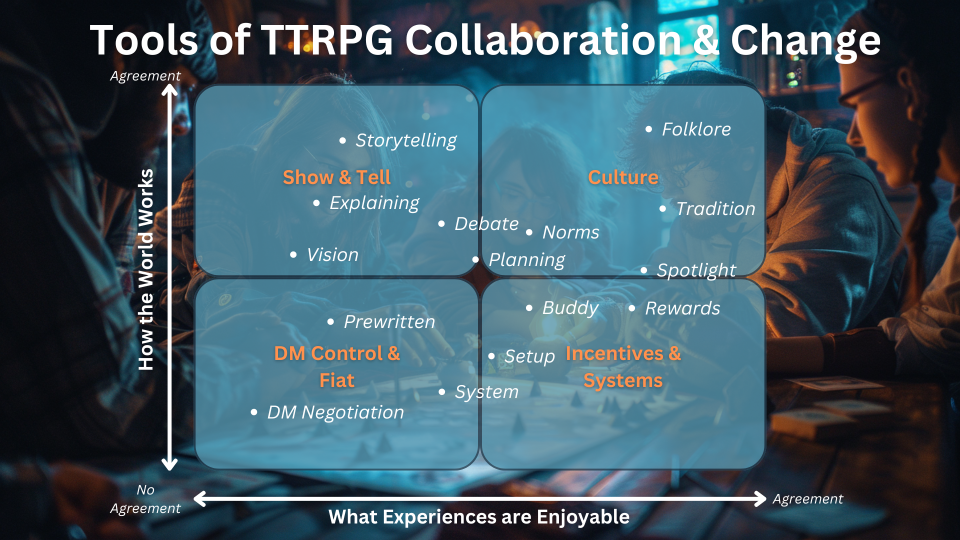
Build better tables by aligning assumptions about the world and preferred play styles, then using communication, examples, and incentives to support shared fun.

Revamps exhaustion in 5e with -1 per level, gains on crits and death saves, class Shake It Off, and clearer recovery, adding tension, stakes, and teamwork.
Rather than quick yes/no rulings, challenge players with conditional goals that turn edge cases into quests, deepening stakes and shared world.
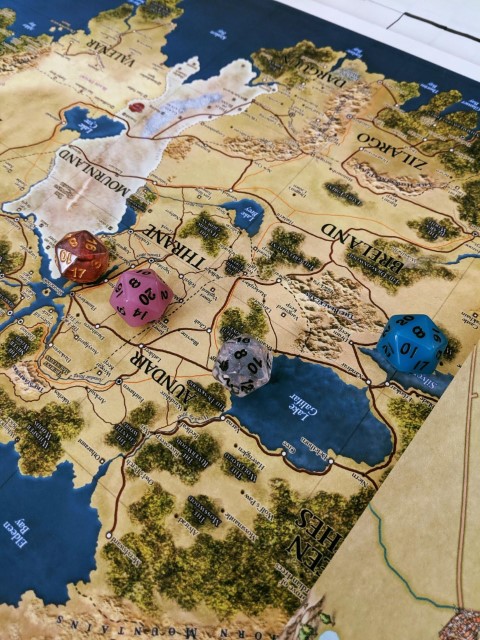
Applying Sanderson’s principles to tabletop RPGs, this argues for limits, costs, and risk over power creep, using subsystem interplay to enrich play.
The DM initiates and shapes play; collaboration matters, but new norms that cast their creative lead as suspect risk stifling games.
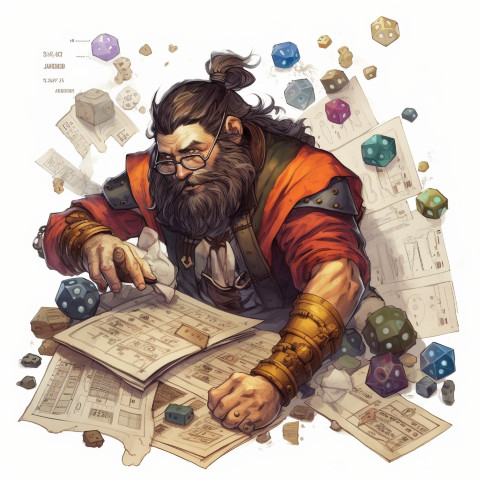
Advantage skews outcomes toward the mean, boosts easy checks more than hard ones, and its non-stacking design blunts creative tactics and tension.

A level-5 DnD 5e grief-themed dungeon born from slain innocents, mixing environmental hazards and moral trials across five evocative chambers.

Transform travel by treating geography as a character, embedding hooks and implied encounters that spark curiosity and player-driven choices.