•6 min read
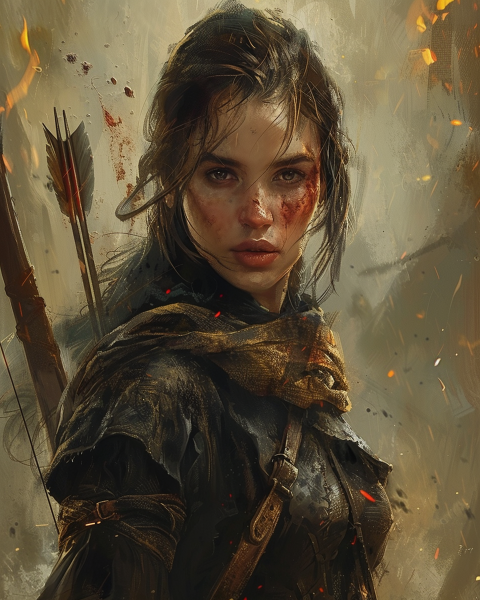
Gritty DnD Injuries - Expanding Exhaustion
Revamps exhaustion in 5e with -1 per level, gains on crits and death saves, class Shake It Off, and clearer recovery, adding tension, stakes, and teamwork.
Revamps exhaustion in 5e with -1 per level, gains on crits and death saves, class Shake It Off, and clearer recovery, adding tension, stakes, and teamwork.
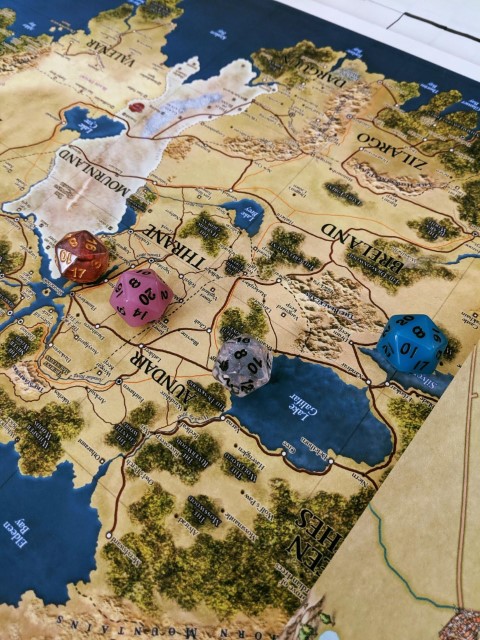
Applying Sanderson’s principles to tabletop RPGs, this argues for limits, costs, and risk over power creep, using subsystem interplay to enrich play.
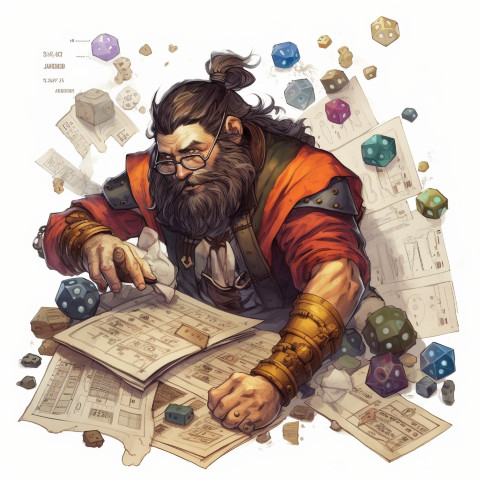
Advantage skews outcomes toward the mean, boosts easy checks more than hard ones, and its non-stacking design blunts creative tactics and tension.
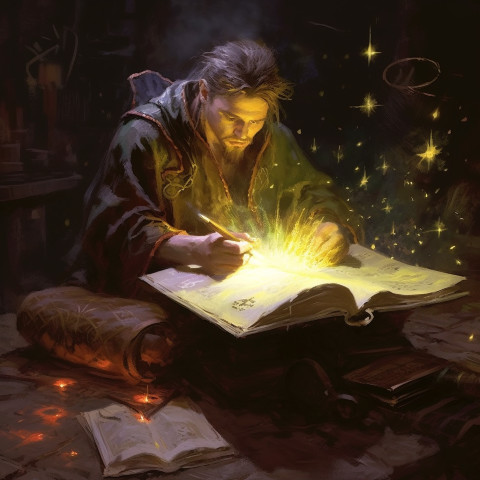
Homebrew options for arcane pet play: animate weapons, clockwork constructs, and mephits, with balance notes, scaling, and narrative discovery hooks.
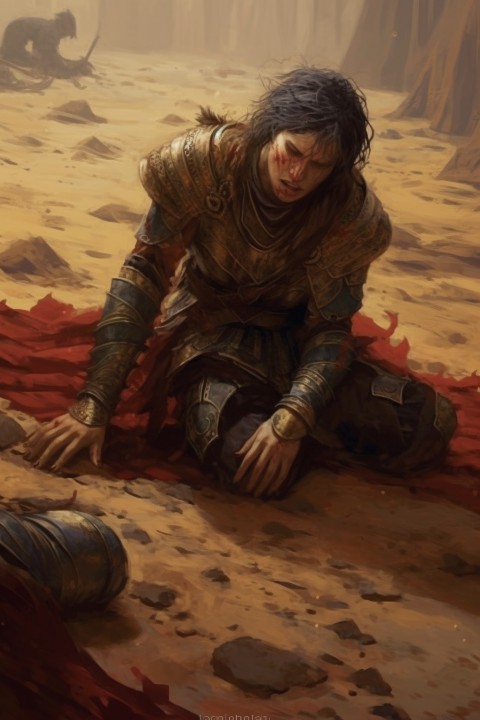
A proposed 5e house rule ties risk to negative HP and CON saves, raising urgency, nerfing Healing Word, and making knockdowns matter again.
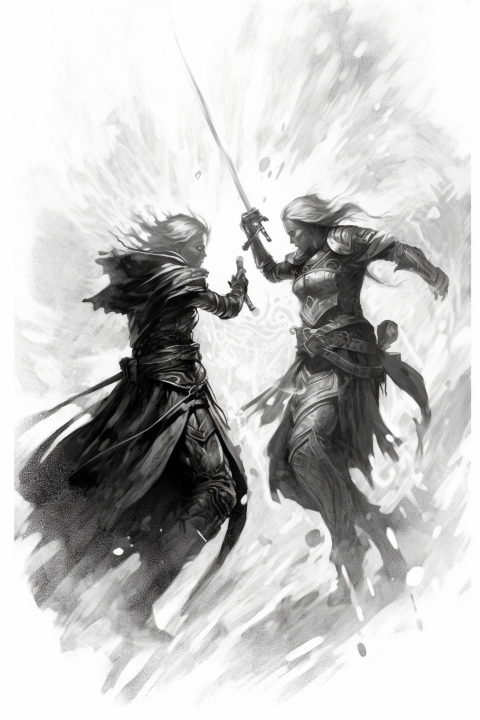
Explains AC as an abstract defense working with HP to pace damage over time, guiding narration and design without literal blow-by-blow realism.
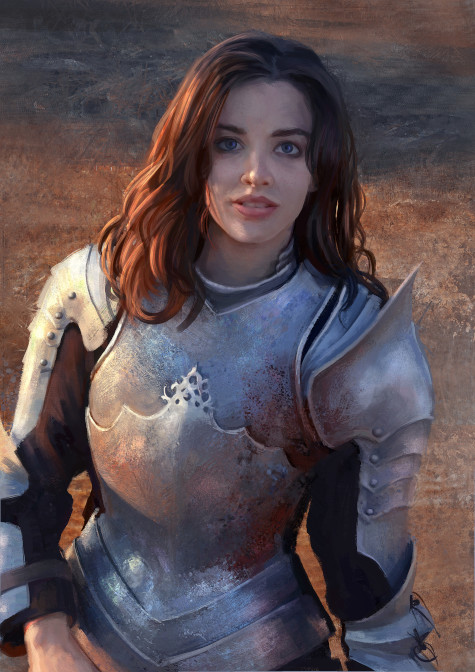
HP in D&D are an abstract tool shaped by the DM to set tone and stakes, not literal wounds, evolving across editions to serve fun.

High-risk magical sites let casters supercharge spells via attunement and metamagic checks with failure risks and rarity tiers, giving DMs rich hooks.
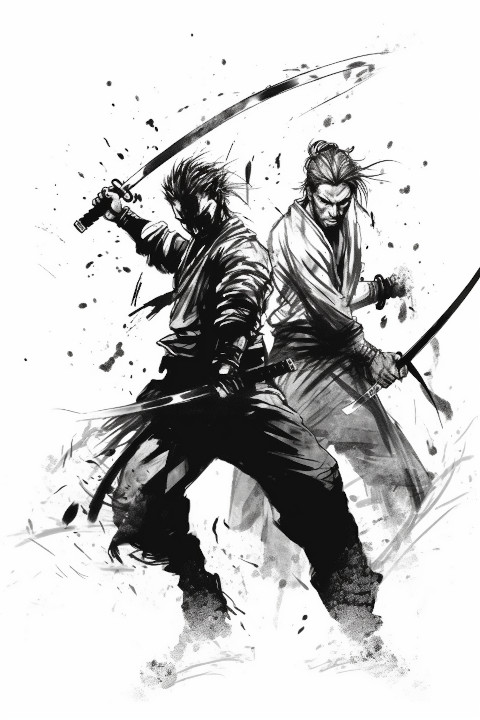
Proposes a streamlined Mark rule: if you hit a foe in melee since your last turn, you can make one opportunity attack each round without using your reaction.
Advocates experience points over milestones, tying growth to player actions, pacing adventures, rewarding exploration and roleplay, and preserving memories.